
Vertical video, AI-driven discovery, and mobile-first engagement are reshaping the future of OTT platforms
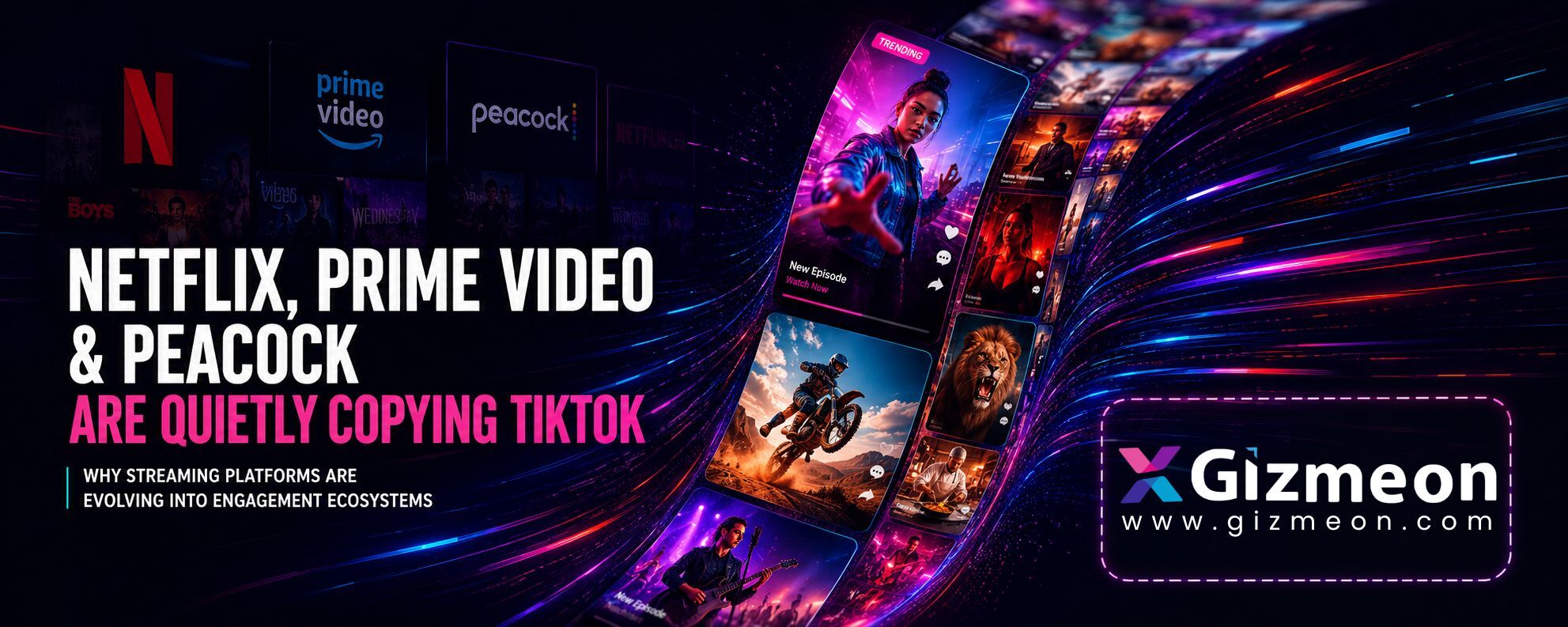
For years, streaming platforms competed on one primary metric: content. Who had the biggest originals? Who owned the most exclusive IP? Who could attract the most subscribers? The streaming wars were largely built around libraries, franchises, and premium long-form entertainment experiences designed for television screens. But something subtle yet incredibly important has started happening across the OTT industry. Platforms like Netflix, Prime Video, and Peacock are increasingly experimenting with vertical feeds, short-form discovery experiences, personalized recommendation layers, and mobile-first engagement mechanics that look strikingly familiar to TikTok. At first glance, these features may appear to be simple UI experiments designed to improve user engagement. But beneath the surface, they signal a much larger transformation happening across the streaming industry. OTT platforms are beginning to realize that the future of streaming may depend less on content libraries alone and more on how effectively users discover, engage with, and continuously interact with content. And in many ways, TikTok changed audience behavior faster than the streaming industry anticipated.TikTok Changed Audience Expectations Across the Internet
When TikTok emerged globally, it was often viewed as a short-form social platform rather than a serious influence on the future of streaming. But over time, its impact extended far beyond social media. TikTok fundamentally changed how audiences consume digital content. It normalized:- algorithm-driven discovery,
- vertical video consumption,
- instant personalization,
- rapid engagement cycles,
- and frictionless scrolling behavior.
- immediate engagement,
- personalized recommendations,
- short discovery cycles,
- and highly dynamic content feeds.
Why Streaming Platforms Are Introducing Vertical Discovery Feeds
Over the last few years, several major streaming companies have introduced features that clearly reflect TikTok-style engagement models. Netflix experimented with mobile-first vertical discovery feeds and short-form preview experiences designed to help users discover content more quickly. Prime Video has explored similar discovery mechanics, while Peacock has increasingly leaned into short-form and mobile-native content strategies. This is not happening accidentally. Streaming platforms are facing a growing discovery problem. As content libraries become larger and more fragmented, users are spending more time deciding what to watch and less time actually engaging with content. In many cases, overwhelming choice is reducing overall user satisfaction. Vertical discovery feeds solve this problem by reducing friction. Instead of forcing users to browse static libraries, platforms can surface content dynamically through:- personalized previews,
- algorithm-driven recommendations,
- swipe-based interactions,
- and continuous discovery experiences.
The Future of OTT Is Becoming Increasingly Mobile-First
One of the biggest drivers behind this transformation is the rise of mobile-first content consumption. For years, OTT platforms optimized heavily for connected TV experiences because streaming was viewed primarily as a living-room activity. But user behavior has evolved significantly, particularly among younger demographics and emerging markets. Smartphones are now central to how audiences discover, consume, and share entertainment. This has major implications for streaming platform design. Mobile-first audiences tend to favor:- faster content discovery,
- shorter engagement cycles,
- vertical video experiences,
- personalized feeds,
- and creator-style interaction models.
Vertical Video Is Reshaping OTT Infrastructure
One of the most overlooked aspects of this shift is the technical impact vertical video has on streaming infrastructure itself. Supporting vertical video within OTT platforms is not simply a matter of changing screen orientation. It requires significant changes in how streaming platforms manage content delivery, user experience, recommendation systems, and engagement architecture. Modern vertical streaming experiences often require:- mobile-first UX frameworks,
- adaptive encoding workflows,
- dynamic feed rendering,
- AI-powered recommendation systems,
- rapid content switching,
- and scroll-based playback environments.
- AI-driven personalization,
- behavioral analytics,
- engagement prediction,
- and mobile-native streaming systems.
AI Is Becoming the Core Layer of Modern Streaming Platforms
Perhaps the most important similarity between TikTok and the next generation of OTT platforms is the role of AI. TikTok’s success is deeply connected to its recommendation engine. The platform continuously analyzes behavioral signals to personalize content feeds in real time. Streaming platforms are now moving in a similar direction. As content libraries expand, discovery becomes one of the biggest competitive challenges in OTT. Users no longer want to scroll endlessly through catalogs searching for something to watch. They expect platforms to understand their preferences almost instantly. This has made AI-powered personalization one of the most valuable assets in modern streaming ecosystems. OTT platforms increasingly rely on:- behavioral analytics,
- recommendation engines,
- predictive engagement systems,
- and audience intelligence tools
- watch time,
- retention,
- monetization,
- and overall platform engagement.
Why This Shift Matters for Monetization
The rise of mobile-first engagement and short-form discovery is also reshaping OTT monetization strategies. Traditional subscription-driven models are facing increasing pressure due to subscription fatigue and rising competition. As a result, many platforms are moving toward more flexible monetization ecosystems that combine:- SVOD,
- AVOD,
- FAST channels,
- freemium experiences,
- and creator-driven monetization models.
- higher ad inventory,
- improved retention,
- increased content discovery,
- and stronger audience segmentation.
Streaming Platforms Are Becoming Engagement Ecosystems
One of the clearest conclusions emerging from these industry shifts is that streaming platforms are evolving beyond passive entertainment destinations. Increasingly, they are becoming engagement ecosystems. Traditional OTT services focused primarily on content access. Modern streaming platforms increasingly focus on:- retention,
- personalization,
- continuous discovery,
- audience intelligence,
- and behavioral engagement.
- long-form premium content,
- creator-led ecosystems,
- vertical discovery feeds,
- AI-driven personalization,
- and community-style engagement models
What This Means for OTT Providers and Media Companies
For OTT providers, broadcasters, creators, and media companies, this transformation represents a major strategic shift. The future of streaming will likely depend less on static content delivery and more on:- intelligent discovery,
- engagement optimization,
- AI-driven personalization,
- and mobile-first user experiences.
- vertical video infrastructure,
- hybrid monetization models,
- AI recommendation systems,
- and scalable multi-format streaming experiences.
Why This Shift Aligns Closely With Gizmeon’s Vision
At Gizmeon, we see this transformation accelerating across the OTT industry. Modern streaming platforms require significantly more than traditional video delivery systems. Today’s audiences expect:- mobile-first engagement,
- personalized discovery,
- vertical content experiences,
- AI-powered recommendations,
- hybrid monetization,
- and seamless multi-device streaming.
The Future of Streaming May Look Very Different From Its Past
The streaming industry is entering a new phase. The first generation of OTT focused on replacing traditional television. The next generation will focus on:- personalization,
- mobile-first engagement,
- intelligent discovery,
- and continuous audience interaction.