
Why streaming platforms, creators, and media companies are being forced to rethink audience engagement entirely
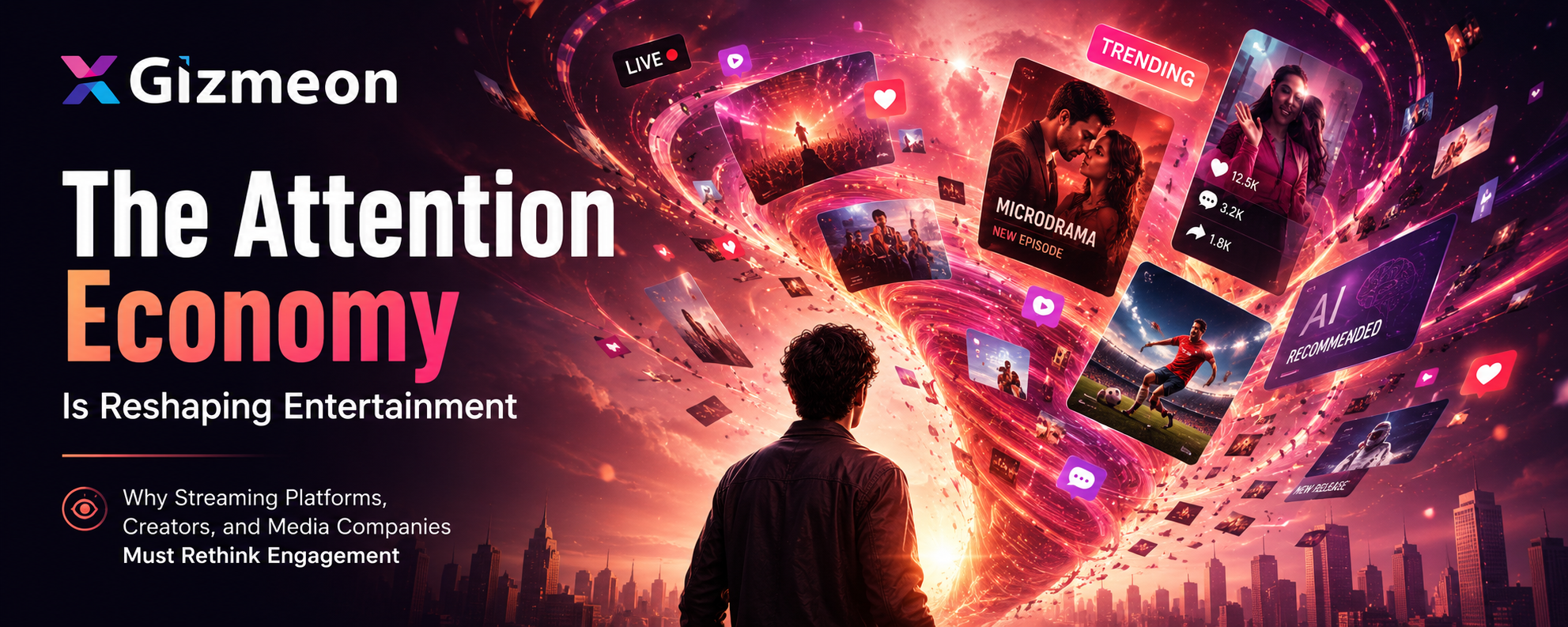
The entertainment industry is no longer competing only for subscribers or viewership. It is competing for attention — and attention has become increasingly difficult to hold. Over the last few years, platforms like TikTok, Instagram Reels, YouTube Shorts, and AI-driven recommendation systems have fundamentally changed how audiences consume content. Viewers now expect entertainment to be instant, personalized, frictionless, and constantly engaging. As a result, the traditional boundaries between streaming platforms, social media ecosystems, and creator-driven content are beginning to disappear. This shift is already influencing the future of OTT. From Netflix experimenting with vertical feeds to TikTok launching serialized microdrama platforms like PineDrama, the industry is quietly adapting to a world where audience behavior is driven less by scheduled viewing habits and more by algorithmic engagement. The attention economy is no longer shaping only social platforms. It is beginning to reshape entertainment itself.Streaming Platforms Are Quietly Becoming Engagement Ecosystems
For years, streaming platforms primarily competed through scale. The strategy was straightforward: acquire more content, build larger libraries, secure exclusive rights, and attract subscribers through volume. That model is beginning to evolve. Today, streaming companies are increasingly focused on engagement mechanics rather than catalog size alone. Platforms now measure success not just by what audiences watch, but by how long they stay engaged, how frequently they return, and how effectively the platform keeps them within its ecosystem. This is one of the biggest reasons streaming interfaces are changing so rapidly. Netflix has already experimented with vertical content discovery experiences inspired by short-form platforms. Prime Video introduced swipe-style “Clips” features to encourage faster content discovery. Peacock has explored personalized vertical viewing environments tied to sports and mobile-first engagement. These are not isolated design updates. They reflect a broader realization within the industry that modern viewers consume content very differently from previous generations. Traditional OTT platforms were designed around deliberate viewing behavior. Users would search for titles, browse categories, evaluate thumbnails, and choose content intentionally. The newer generation of entertainment platforms is built around something entirely different: continuous engagement. Content increasingly finds the audience before the audience actively searches for it. That is a major shift in how entertainment ecosystems operate.The Influence of TikTok on Modern Entertainment Is Massive
It is impossible to understand the current streaming landscape without acknowledging TikTok’s influence on audience behavior. TikTok fundamentally changed how viewers interact with content discovery. Instead of browsing manually, users became accustomed to highly responsive recommendation systems capable of continuously serving content based on behavioral signals. The platform normalized several behaviors that are now spreading across the entertainment industry:- swipe-driven navigation,
- ultra-fast engagement cycles,
- personalized recommendation feeds,
- and mobile-first viewing experiences.
Microdrama Platforms Are Changing Viewing Habits
One of the strongest examples of this transformation is the rapid growth of microdrama apps such as ReelShort, DramaBox, ShortMax, and similar vertical storytelling platforms. At first glance, these platforms may appear like an extension of short-form content culture. In reality, they represent something much more strategic. Microdrama ecosystems combine:- serialized storytelling,
- AI-powered discovery,
- vertical video experiences,
- and retention-focused engagement systems
Recommendation Systems Have Become the New Distribution Layer
The entertainment industry once depended heavily on distribution control. Cable infrastructure, theater chains, broadcast networks, and later subscription platforms determined how content reached audiences. Today, recommendation systems increasingly play that role. AI-powered discovery engines now shape what audiences see, how long they engage, and how frequently they return to a platform. This has transformed streaming services into highly dynamic behavioral environments optimized continuously around engagement and retention. Modern platforms analyze audience activity in real time to personalize content experiences with increasing precision. Viewing duration, scrolling behavior, interaction patterns, completion rates, and content preferences all influence recommendation systems that evolve continuously based on user behavior. This changes the competitive landscape significantly. Streaming companies are no longer competing only through content acquisition. They are competing through intelligence — specifically their ability to predict audience behavior and optimize engagement more effectively than competitors. The future leaders in streaming may not necessarily be the companies with the largest libraries. They may be the companies with the smartest recommendation ecosystems.Mobile-First Audiences Are Accelerating the Shift
One of the biggest drivers behind these changes is the rise of mobile-first viewing behavior. For younger audiences globally, smartphones have become the primary entertainment screen. This alters nearly every aspect of how content is consumed and distributed. Mobile-first viewers typically expect:- faster discovery,
- shorter engagement cycles,
- seamless personalization,
- and frictionless navigation.
- long-form cinematic streaming,
- creator-driven ecosystems,
- live engagement,
- and vertical serialized entertainment.
AI Is Quietly Reshaping the Entire Entertainment Experience
Artificial intelligence is becoming deeply integrated into the future of streaming, often in ways audiences barely notice. Recommendation systems already influence much of what viewers consume. Increasingly, AI also affects:- homepage personalization,
- audience segmentation,
- retention optimization,
- monetization strategies,
- and predictive engagement systems.
The Creator Economy Is Also Influencing OTT
Another major shift happening quietly across entertainment is the rise of creator-led ecosystems. Influencers, podcasters, educators, YouTubers, and digital creators are increasingly building audience loyalty that rivals traditional media brands. Many now operate premium communities, subscription ecosystems, live events, podcasts, and independent content platforms. This has changed audience expectations around engagement and accessibility. Viewers increasingly value:- direct creator interaction,
- personalized experiences,
- community-driven ecosystems,
- and highly consistent content engagement.
Why This Matters for the Future of Streaming Infrastructure
As entertainment behavior evolves, OTT infrastructure itself must evolve alongside it. Modern streaming ecosystems increasingly require:- AI-powered recommendation systems,
- vertical video capabilities,
- advanced audience analytics,
- hybrid monetization frameworks,
- and flexible multi-platform distribution environments.
The Future of Entertainment Will Be Faster, Smarter, and More Personalized
The entertainment industry originally evolved around scheduled programming and passive viewing behavior. Streaming disrupted much of that structure by introducing on-demand access and personalized viewing experiences. Now, the attention economy is accelerating another transformation entirely. Modern audiences increasingly expect entertainment experiences that feel:- immediate,
- intelligent,
- personalized,
- mobile-native,
- and continuously engaging.