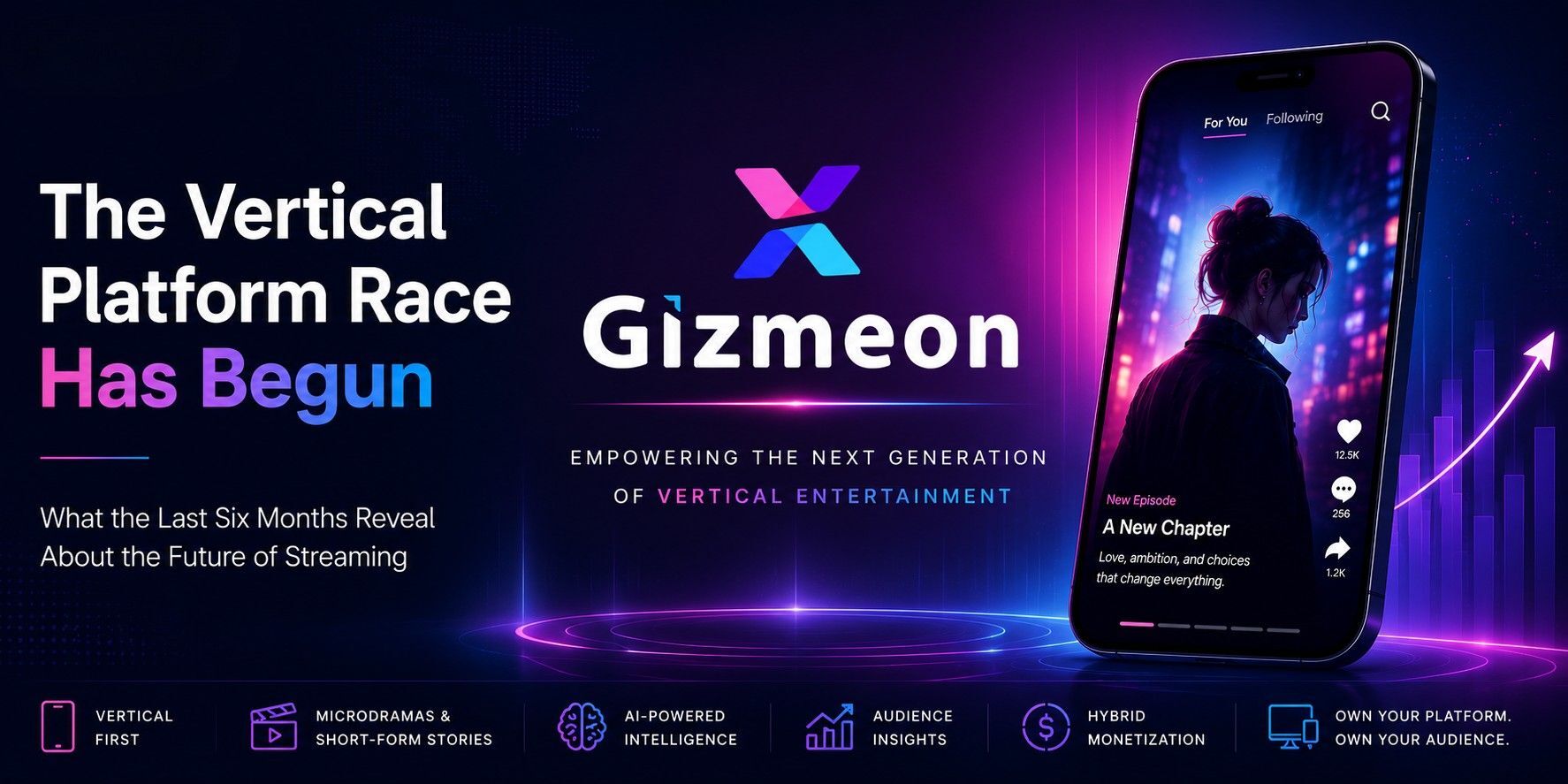

The Conversation Has Shifted
Only a few years ago, most discussions around vertical video focused on one question:Can audiences really watch scripted entertainment on a phone?Today, that question has largely been answered. Millions of viewers already do. Microdramas—short, serialized episodes designed specifically for mobile viewing—have become one of the fastest-growing entertainment formats globally. Platforms built around this model continue to expand rapidly, proving that audiences are willing to consume premium scripted content in completely different ways than traditional television ever imagined. But something even more interesting is happening. The industry is no longer talking about vertical content. It’s talking about vertical platforms. That represents a major evolution. Successful entertainment businesses have never been built solely on content.
- Netflix didn’t become a global leader simply because it owned movies.
- Spotify didn’t transform music because playlists existed.
- Disney+ wasn’t built around individual shows.
Why Microdramas Are Creating an Entirely New Media Category
Every major shift in entertainment creates new infrastructure. The rise of broadcast television created television networks. Cable television introduced new distribution technologies. Streaming gave birth to OTT platforms. Today, microdramas are creating demand for something entirely different. Unlike traditional television, vertical entertainment is designed around completely different audience behaviors.- Episodes are significantly shorter.
- Viewing sessions happen throughout the day rather than during prime time.
- Stories are optimized for smartphones rather than televisions.
- Discovery increasingly happens through social media.
- Audience engagement is faster, more frequent, and highly personalized.
- How should vertical platforms manage thousands of short episodes?
- How should they recommend serialized content?
- What monetization models work best?
- How can AI improve discoverability?
- How can publishers efficiently localize content for global audiences?
- How should content be repurposed for marketing across social platforms?
The Next Competitive Advantage Isn’t More Stories—It’s Better Platforms
One observation has become increasingly clear throughout recent industry discussions. The companies likely to lead the next phase of vertical entertainment won’t necessarily be those producing the most stories. They will be the ones building the smartest platforms. Content will always remain the foundation of entertainment. But platforms determine how efficiently that content reaches audiences, how easily viewers discover new series, how creators monetize their work, and how businesses scale sustainably. This is where the vertical media industry is beginning to mirror every major transformation that came before it. The conversation is gradually moving beyond “What should we produce?” Toward a far more strategic question: “What kind of platform does the future of vertical entertainment actually require?” That question is now shaping investment decisions, technology roadmaps, and business strategies across the industry. And increasingly, the answer lies not just in better streaming technology—but in intelligent platforms powered by AI, automation, and data-driven operations.The Platform Economy Is Here
The success of every major media revolution has depended on more than great content. Television needed broadcasting networks. Streaming required cloud infrastructure and connected devices. Music streaming relied on intelligent recommendation engines and seamless user experiences. Vertical entertainment is no different. While microdramas may be capturing headlines, the real opportunity lies in the technology ecosystem developing around them. Every successful vertical platform requires far more than a library of short episodes. It needs an infrastructure capable of managing thousands of content assets, delivering personalized viewing experiences, supporting multiple monetization strategies, and continuously optimizing audience engagement. In other words, the next phase of vertical media isn’t being driven by content alone. It’s being driven by platforms.Building a Vertical Platform Is Different from Building an OTT Platform
At first glance, a vertical streaming app may appear similar to a traditional OTT platform.- Users browse content.
- Select a title.
- Watch an episode.
- Continue to the next.
- Mobile-first user experiences optimized for vertical viewing.
- Fast content publishing and scheduling.
- Intelligent content discovery.
- Personalized recommendations.
- Multi-language accessibility.
- High-volume episode management.
- Flexible monetization models.
- Deep audience analytics.
Artificial Intelligence Is Becoming the Backbone of Vertical Media
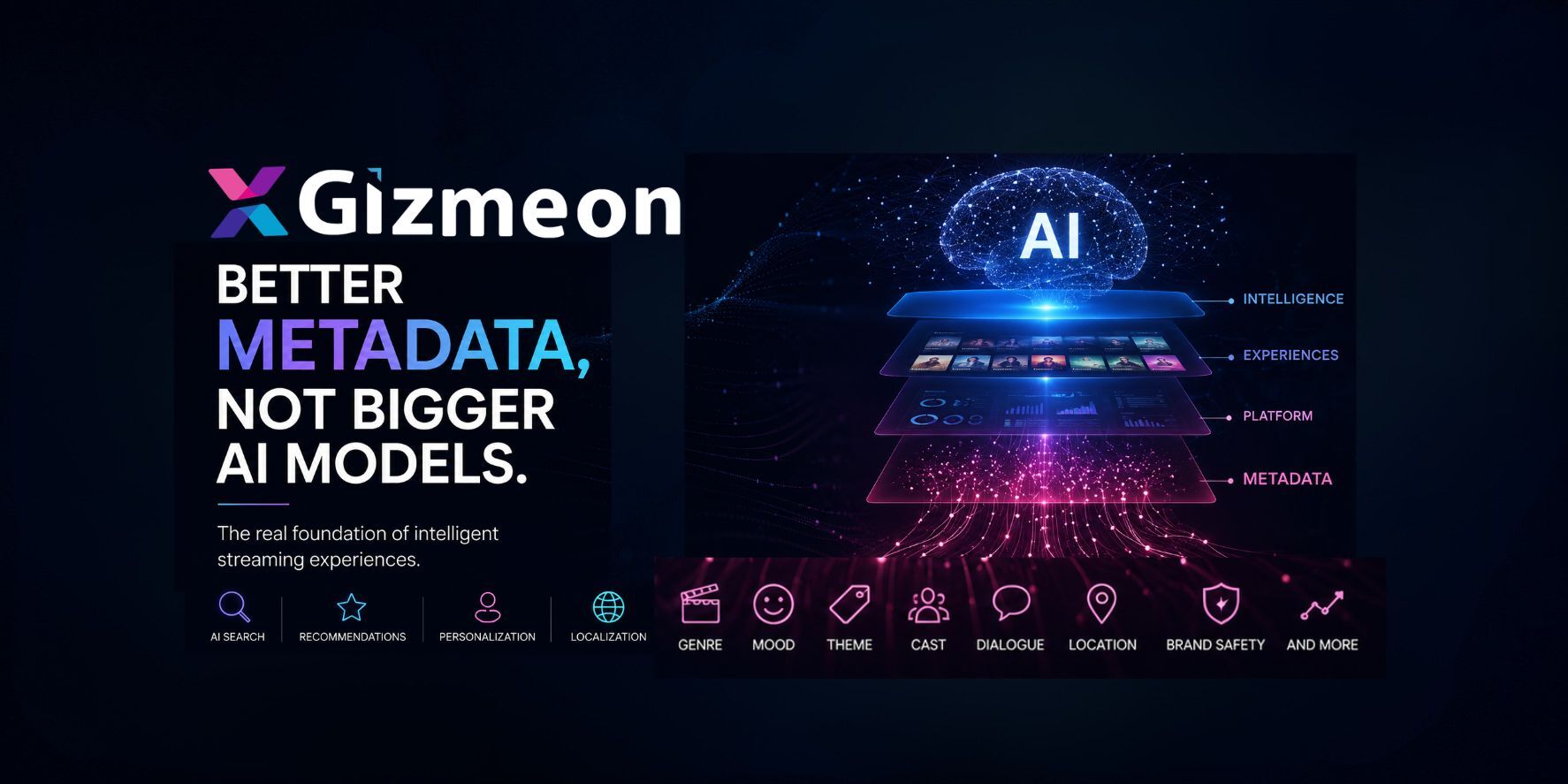
When people think about AI in streaming, recommendations are usually the first thing that comes to mind. While personalized recommendations remain important, they represent only one layer of what AI can accomplish inside a modern streaming platform. The real transformation is happening behind the scenes. Artificial Intelligence is increasingly supporting every stage of the content lifecycle—from ingestion and publishing to discovery, localization, audience engagement, and analytics. For vertical platforms, where speed and scalability are critical, AI helps eliminate many repetitive operational tasks that traditionally required significant manual effort. AI can support:- Metadata generation for improved search and discovery.
- Subtitle creation and multilingual localization.
- Personalized content recommendations.
- Smart content categorization.
- Content repurposing into promotional clips.
- Viewer behavior analysis and engagement insights.
- Search optimization across expanding content libraries.
The Creator Economy Is Accelerating the Shift
One of the biggest reasons vertical platforms are growing so rapidly is the evolution of the creator economy. Independent creators are no longer satisfied with relying exclusively on third-party social platforms. Increasingly, they are building their own brands, launching subscription communities, producing premium original content, and creating businesses that extend far beyond traditional influencer marketing. Microdramas have become a natural extension of this evolution. Creators, production houses, and independent studios can now produce high-quality serialized content without requiring traditional television distribution. But producing content is only one piece of the puzzle. They also need technology capable of helping them:- Launch branded streaming platforms.
- Reach audiences across multiple devices.
- Monetize content effectively.
- Understand viewer behavior.
- Scale operations efficiently.
Where Gizmeon Fits Into the Vertical Media Revolution
As the vertical media ecosystem continues to evolve, the demand for intelligent streaming infrastructure has never been greater. This is where companies like Gizmeon play an increasingly important role. Rather than simply providing video streaming technology, Gizmeon enables creators, broadcasters, production companies, media businesses, and entrepreneurs to launch complete vertical streaming ecosystems tailored to modern audience behavior. Through GIZMOTT, Gizmeon’s all-in-one streaming platform, businesses can build fully branded vertical video and microdrama applications while managing every stage of the content lifecycle from a single platform. Key capabilities include:- White-label OTT and vertical streaming applications.
- Dedicated microdrama app development.
- Mobile-first streaming experiences.
- Powerful Content Management System (CMS).
- AI-powered content discovery and recommendations.
- AI metadata generation.
- AI subtitle generation and multilingual support.
- AI smart clipping for short-form promotional content.
- Hybrid monetization with SVOD, AVOD, TVOD, Pay-Per-View, and subscriptions.
- Audience analytics and viewer insights.
- Live streaming, Video-on-Demand, and FAST channel support.
The Next Chapter of Vertical Media
If the last six months have proven anything, it’s that vertical entertainment is no longer an emerging trend—it’s becoming a permanent part of the streaming landscape. What began as a mobile-first viewing format has evolved into a rapidly growing ecosystem of creators, production houses, studios, technology providers, and dedicated streaming platforms. The conversations taking place across industry events, investment circles, and media companies all point to the same conclusion: the future of vertical entertainment isn’t just about creating more short-form content—it’s about building sustainable businesses around it. The next generation of successful platforms will be defined by more than compelling stories. They’ll need intelligent infrastructure capable of managing content at scale, personalizing viewer experiences, supporting multiple monetization models, leveraging AI to streamline operations, and delivering seamless experiences across devices. For creators, this represents an opportunity to move beyond social media and build media businesses they truly own. For broadcasters and production companies, it opens the door to new formats, audiences, and revenue streams. And for technology providers, it signals a growing demand for platforms purpose-built for the unique requirements of vertical entertainment. At Gizmeon, we’re proud to be part of this transformation. Through GIZMOTT, we’re helping creators, media companies, and entrepreneurs build the next generation of AI-powered streaming platforms with dedicated support for vertical video, microdramas, intelligent content discovery, hybrid monetization, and scalable OTT infrastructure. The race to build the next great streaming platform won’t be won by content alone. It will be won by the platforms that combine exceptional storytelling with intelligent technology. Because the future of streaming isn’t simply becoming more vertical.It’s becoming smarter.