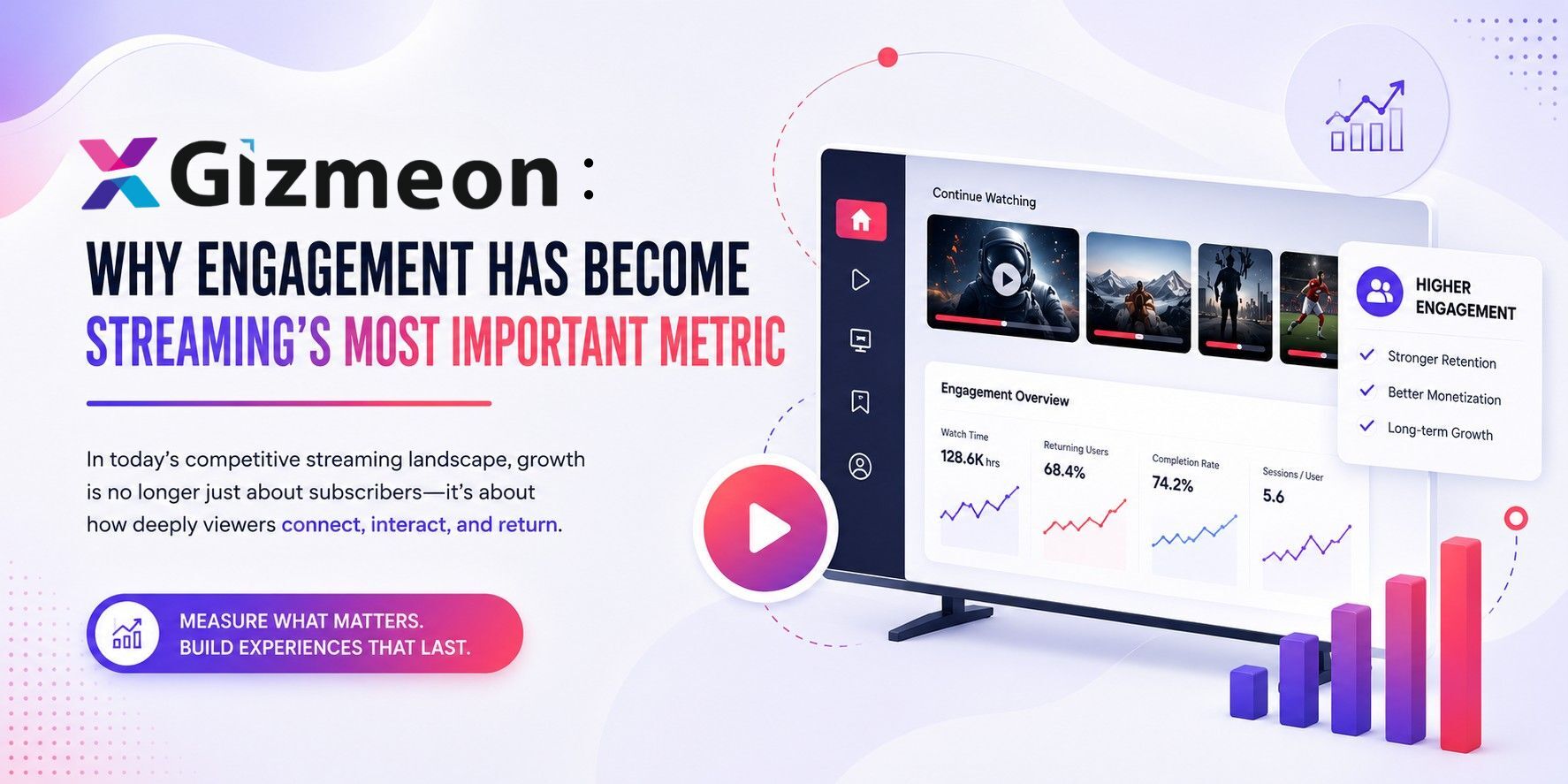

The Streaming Industry Has Entered a New Era
For more than a decade, the streaming industry has been defined by one number: subscribers. Every new milestone, whether it was a million users, ten million users, or a hundred million users, became a benchmark of success. Investors tracked subscriber growth quarter after quarter, media companies competed to announce record sign-ups, and streaming platforms poured billions of dollars into original programming in an effort to attract new audiences. During this period, the strategy was remarkably straightforward. Produce compelling content, market it aggressively, acquire subscribers, and repeat. As long as the number of paying users continued to rise, the business was considered healthy. That strategy worked well during the industry’s rapid expansion. Millions of households around the world were moving away from traditional cable television, internet infrastructure was improving, and streaming services were becoming the preferred way to consume entertainment. Growth seemed almost limitless. Today, however, the landscape looks very different. Most mature markets already have multiple streaming subscriptions per household. Consumers have become more selective about where they spend their money, competition has intensified across every content category, and acquiring a new customer has become significantly more expensive than retaining an existing one. At the same time, subscription fatigue has changed viewer behavior. Instead of remaining loyal to a single platform, audiences frequently subscribe for a popular series, finish watching it, and cancel before the next billing cycle. Others rotate between services throughout the year depending on exclusive releases or live events. For streaming businesses, this has exposed an important reality: a large audience means very little if that audience isn’t actively engaged. This shift is changing how streaming platforms define success. Subscriber counts are still important, but they no longer tell the complete story. Increasingly, the most valuable metric isn’t how many people signed up last month—it’s how many continue to return, interact, and make the platform part of their daily lives. The streaming industry is moving from the subscriber economy to the engagement economy.Why Subscriber Growth Is No Longer Enough
Imagine two streaming platforms. The first has five million subscribers but struggles to keep viewers engaged. Most users open the app only when a major title is released, spend a weekend binge-watching, and then disappear for weeks—or cancel their subscriptions altogether. The second platform has only two million subscribers, yet its audience returns almost every day. Users browse new content, watch live events, build playlists, receive personalized recommendations, and spend consistent time within the platform throughout the week. Which platform is healthier? A few years ago, the answer might have been the first one simply because of its larger subscriber base. Today, many investors, advertisers, and product leaders would argue that the second platform is in a much stronger position. Why? Because recurring engagement creates predictable revenue, lower churn, stronger customer loyalty, and more opportunities for monetization. An engaged audience is far more valuable than a passive one. This doesn’t mean subscriber acquisition has become irrelevant. Every streaming service still needs to grow its audience. However, acquisition is increasingly viewed as the beginning of the customer journey rather than its ultimate objective. The real challenge begins after someone downloads the app, creates an account, or purchases a subscription.- Will they come back tomorrow?
- Will they return next week?
- Will they still be watching six months from now?
Understanding Engagement Beyond Watch Time
When people hear the word engagement, they often think of watch time. While viewing duration remains an important metric, it represents only one piece of a much larger picture. Engagement is better understood as the quality of the relationship between a viewer and a streaming platform. It measures not just how long someone watches, but how consistently they interact, how easily they discover content, and whether the platform becomes part of their routine. Consider two viewers. One watches an entire season of a popular series in a single weekend and doesn’t open the app again for another month. The other spends thirty minutes every evening watching news highlights, catching up on live sports, or following their favorite creators. The first viewer generates more watch time over a short period, but the second has developed a habit. That habit is considerably more valuable because it creates ongoing opportunities for subscriptions, advertising, recommendations, and long-term customer retention. This is why modern OTT analytics platforms examine engagement from multiple perspectives rather than relying on a single metric. Among the most important indicators are:- Session frequency and average viewing duration.
- Returning visitors over weekly and monthly periods.
- Content completion rates.
- Search and discovery behavior.
- Repeat viewing patterns.
- Time taken to start playback after opening the application.
- Interactions with personalized recommendations.
- Cross-device viewing behavior.
Engagement Is a Reflection of Viewer Experience
One of the biggest misconceptions in streaming is that engagement is purely a content metric. Content certainly matters, but it is only one factor influencing how audiences behave. Imagine opening a streaming application and waiting several seconds for it to load. Once inside, the homepage feels cluttered, the search function struggles to find relevant titles, recommendations seem unrelated to your interests, and the video buffers repeatedly before playback begins. Even if the platform offers excellent content, the overall experience quickly becomes frustrating. Now compare that with a service that launches instantly, remembers where you left off, recommends content that matches your viewing habits, synchronizes seamlessly across devices, and begins playback almost immediately. The difference isn’t simply user experience—it is engagement. Every interaction shapes a viewer’s willingness to return. This is why engagement has become a shared responsibility across multiple teams within a streaming organization.- Product designers work to simplify navigation.
- Engineers optimize application performance and playback reliability.
- Content teams improve metadata and organization.
- Analytics teams identify behavioral trends.
- Marketing teams encourage repeat visits through thoughtful communication rather than excessive notifications.
Why Engagement Has Become a Business Metric
For many years, engagement was considered primarily a product or analytics measurement. Today, it has become one of the most important business metrics in the streaming industry. The reason is simple: engagement influences nearly every aspect of platform performance. A viewer who regularly returns to a streaming service is more likely to renew their subscription, explore additional content, and recommend the platform to friends or family. Their viewing habits generate richer behavioral data, making recommendations more accurate and content decisions more informed. If the platform relies on advertising, every additional viewing session creates new inventory for advertisers while improving audience segmentation and campaign effectiveness. Conversely, low engagement often acts as an early warning signal. Users rarely cancel a subscription overnight. More often, they begin watching less frequently, spend less time on the platform, ignore recommendations, or struggle to discover relevant content. These subtle behavioral changes usually appear weeks before a cancellation takes place. For streaming businesses, identifying these patterns early is invaluable. Instead of reacting after subscribers leave, platforms can intervene with better recommendations, improved onboarding, personalized promotions, or fresh content that encourages viewers to return. In many ways, engagement has become the bridge between user satisfaction and commercial success.From Viewing Sessions to Lasting Relationships
Perhaps the most significant change in the streaming industry is philosophical rather than technological. Streaming platforms are no longer trying to maximize individual viewing sessions. They are trying to build lasting relationships. The goal isn’t simply to persuade someone to watch one movie tonight. It’s to become the platform they instinctively open tomorrow morning, next weekend, and six months from now. Achieving that requires more than an impressive content library. It demands thoughtful product design, reliable technology, intelligent content discovery, consistent performance, and a deep understanding of audience behavior. Engagement sits at the center of all these elements. It reflects how effectively a streaming service combines content, technology, and user experience into something viewers genuinely value. And as competition continues to intensify across OTT platforms, FAST channels, live streaming services, and creator-led media businesses, that ability to build meaningful, long-term engagement may prove to be the industry’s greatest competitive advantage.Turning Data Into Better Viewer Experiences
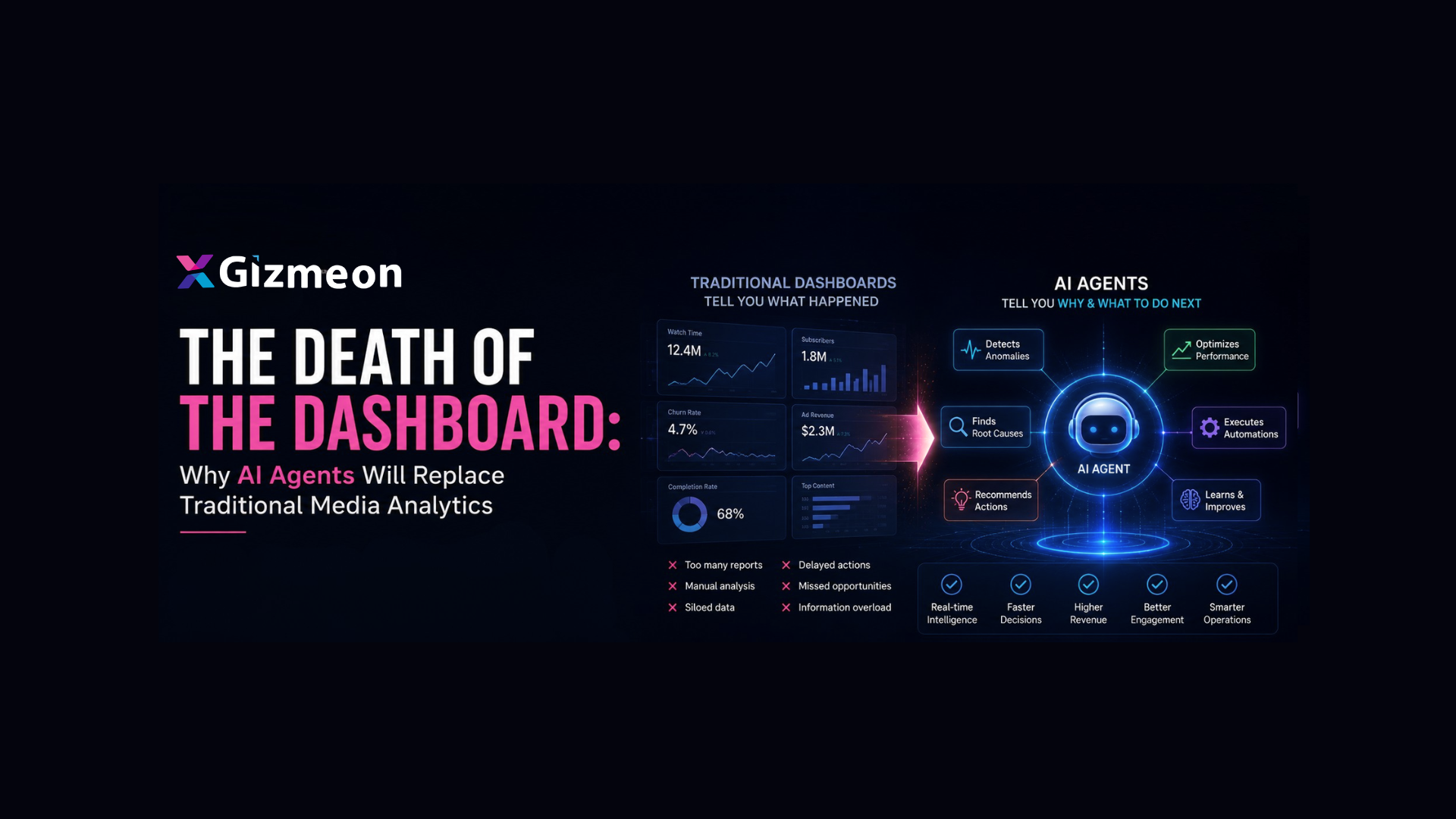
If engagement has become the most important metric in streaming, the next question is obvious: how do platforms improve it? The answer lies in understanding viewer behavior. Every interaction on a streaming platform tells a story. When a user searches for a title but leaves without watching anything, that behavior reveals a content discovery problem. When thousands of viewers consistently stop watching at the same point in an episode, it may indicate pacing issues, poor recommendations, or even technical problems affecting playback. Similarly, when users repeatedly return to watch content within a particular genre or at a specific time of day, those patterns become valuable insights that can shape both content strategy and product design. This is where modern analytics platforms have evolved far beyond simple reporting dashboards. Instead of merely displaying historical numbers, today’s analytics systems help streaming businesses answer deeper questions:- Which genres keep viewers coming back?
- What devices generate the longest viewing sessions?
- Which content converts free users into subscribers?
- Where do viewers abandon playback?
- Which recommendations actually lead to completed streams?
Personalization Is No Longer a Premium Feature
One of the biggest obstacles facing streaming platforms today isn’t a lack of content—it’s helping viewers discover the right content quickly. Most users have experienced the paradox of choice. Faced with thousands of available titles, they spend several minutes browsing before finally selecting something—or worse, leave the platform without watching anything at all. This “decision fatigue” has become one of streaming’s biggest engagement challenges. Personalization helps solve this problem by reducing the effort required to find relevant content. Rather than presenting the same homepage to every viewer, modern streaming platforms increasingly tailor the experience based on individual preferences and viewing history. Recommendation rows, continue-watching sections, search suggestions, trending categories, and even promotional banners can be adapted to create a more relevant experience for each user. Good personalization isn’t about overwhelming viewers with suggestions. It’s about reducing friction. The fewer steps required to discover something worth watching, the more likely users are to remain engaged. For niche streaming services, this becomes even more important. Unlike global platforms with enormous content libraries, specialized OTT platforms often rely on helping audiences quickly find highly relevant content. In these cases, thoughtful recommendations and intelligent content organization can have a greater impact on engagement than simply adding more titles.Technical Performance Is Part of Engagement
When people discuss engagement, conversations often revolve around content libraries, recommendation engines, or user interfaces. Yet one of the most significant influences on viewer behavior operates quietly in the background. Technology. Every streaming experience depends on an ecosystem of infrastructure working together in real time. Video files must be encoded into multiple resolutions, distributed across global content delivery networks (CDNs), protected through digital rights management (DRM), and delivered seamlessly to countless combinations of devices, operating systems, and internet connections. When this infrastructure performs well, viewers barely notice it. When it doesn’t, engagement suffers almost immediately. A few extra seconds before playback begins may seem insignificant from an engineering perspective, but from a viewer’s perspective, those delays create friction. Repeated buffering, failed playback attempts, poor video quality, or inconsistent experiences across devices gradually reduce confidence in the platform. Research across digital products has consistently shown that users develop expectations around speed and responsiveness. Streaming services are no exception. For this reason, engineering decisions have become business decisions. Optimizing adaptive bitrate streaming, improving CDN performance, minimizing startup delays, and ensuring consistent playback across devices are no longer just technical objectives—they directly contribute to viewer retention and long-term engagement. Behind every successful streaming platform is an infrastructure designed to make technology invisible.Why Community Is Becoming a Competitive Advantage
Streaming has traditionally been viewed as a passive experience. Viewers pressed play, watched a program, and left. That model is rapidly evolving. Today’s audiences increasingly expect opportunities to interact—not only with content, but with creators and other viewers. Sports fans discuss matches in real time. Educational platforms host live Q&A sessions. Creator-led communities organize exclusive events, behind-the-scenes content, and member-only discussions. Entertainment platforms experiment with watch parties, live chats, audience polls, and interactive broadcasts. These features may not directly increase watch time, but they strengthen something even more valuable: emotional investment. When viewers feel connected to a platform beyond its content library, they become significantly more likely to return. Community transforms streaming from a transactional service into an ongoing relationship. For many niche OTT platforms, building that relationship can become a stronger competitive advantage than acquiring expensive exclusive content.Measuring What Truly Matters
As engagement becomes central to streaming strategy, businesses face another challenge: deciding which metrics deserve the most attention. Collecting hundreds of analytics is easy. Identifying the ones that drive meaningful decisions is far more difficult. While every platform has unique objectives, a handful of engagement indicators consistently provide valuable insights into audience behavior:- Returning viewers, which reveal whether users are developing lasting habits.
- Content completion rates, helping identify which titles maintain audience attention from beginning to end.
- Average session duration, providing context around viewing behavior.
- Playback startup time, highlighting technical friction before content even begins.
- Search success rates, measuring how easily audiences discover relevant content.
- Viewing frequency, indicating whether users return regularly or only during major releases.
- Customer lifetime value, connecting engagement directly to long-term business performance.