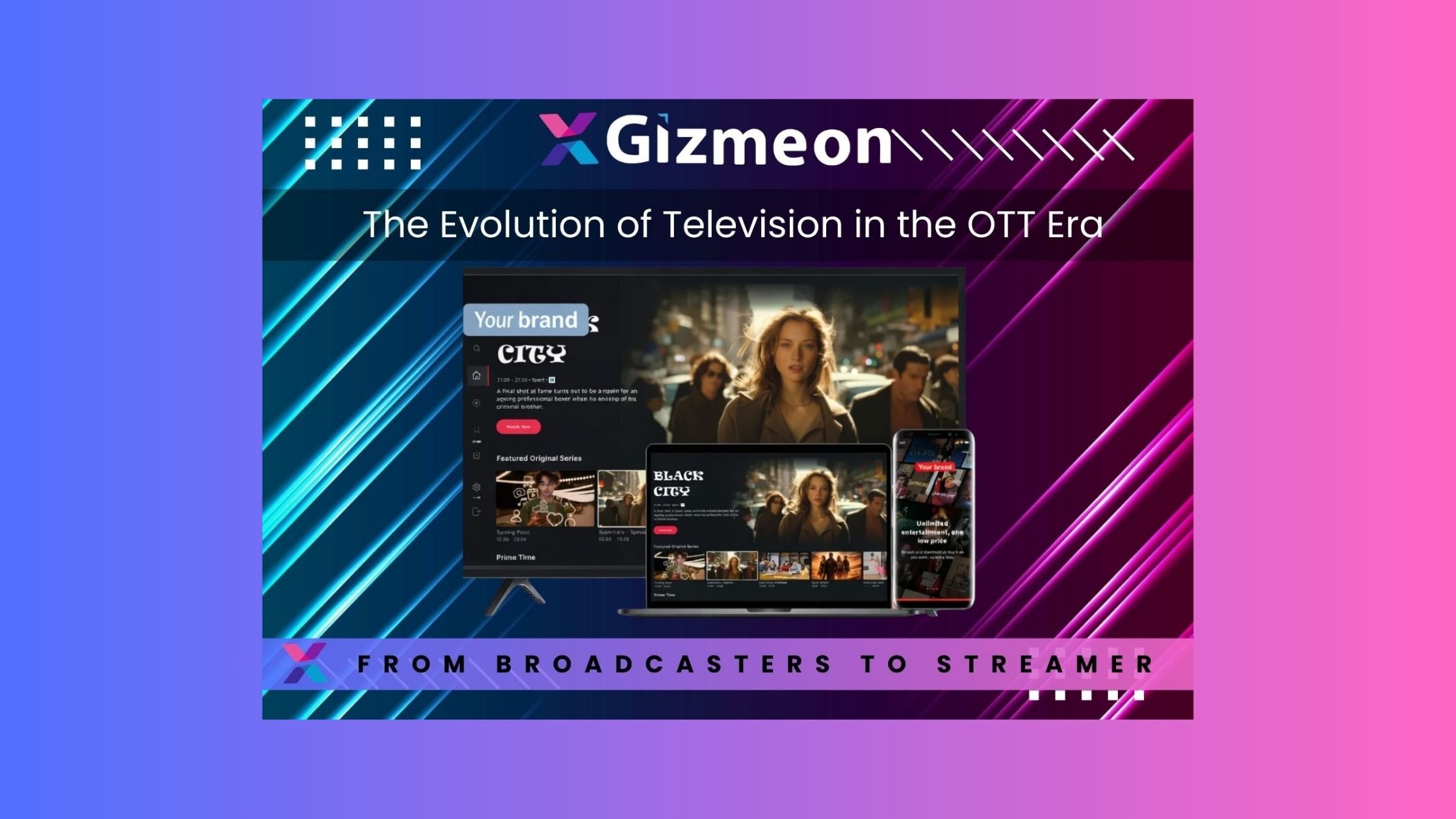

The Shift in Viewer Behavior
The move toward OTT is largely driven by a profound change in audience expectations. Modern viewers, particularly younger demographics, prefer flexibility, personalization, and on-demand access to content. Instead of tuning in at a scheduled time, audiences increasingly expect to watch content whenever and wherever they choose. Smart TVs, smartphones, tablets, and streaming devices have made it possible to consume video content across multiple screens, often outside the traditional living room environment. Several key behavioral trends are driving broadcasters toward OTT:- Cord-cutting and cord-never audiences who no longer subscribe to cable packages
- Growing demand for on-demand viewing rather than scheduled programming
- Increased consumption of video on mobile devices and connected TVs
- Expectation of personalized recommendations and curated experiences
- Greater willingness to explore niche or specialized streaming services
Why Broadcasters Are Launching OTT Platforms
To adapt to this new reality, many broadcasters are building their own OTT platforms. Rather than relying solely on third-party distributors or aggregators, they are creating direct-to-consumer streaming services that allow them to control both the audience relationship and revenue streams. Launching an OTT platform provides broadcasters with several strategic advantages:- Direct audience ownership Broadcasters gain access to valuable viewer data, enabling them to understand audience behavior and preferences.
- Expanded distribution reach OTT platforms remove geographical limitations, allowing networks to reach viewers globally.
- Flexible monetization models Platforms can combine subscriptions, advertising, and transactional payments.
- Content lifecycle extension Archives and older programming can be monetized through streaming libraries.
- Brand independence Networks can maintain their identity and viewer relationships without relying entirely on external streaming marketplaces.
The New Hybrid Monetization Landscape
Unlike traditional television, which primarily relied on advertising and carriage fees, OTT platforms enable multiple monetization models that can coexist within the same ecosystem. Broadcasters entering the streaming space are increasingly experimenting with hybrid revenue strategies. Common OTT monetization approaches include:- AVOD (Advertising Video on Demand) Free streaming supported by targeted advertising.
- SVOD (Subscription Video on Demand) Monthly or annual subscription models that offer premium content.
- TVOD / Pay-Per-View Viewers pay individually for premium events or exclusive content.
- FAST Channels (Free Ad-Supported Streaming TV) Linear-style channels delivered through streaming platforms with advertising support.
FAST Channels: A Bridge Between Traditional TV and Streaming
One of the most significant developments helping broadcasters transition into streaming is the rise of FAST (Free Ad-Supported Streaming Television) channels. FAST channels replicate the familiar experience of linear television while operating entirely within OTT ecosystems. Viewers can tune into curated channels that run continuous programming, much like traditional broadcast TV, but delivered via streaming platforms. For broadcasters, FAST channels offer several advantages:- Monetization of existing content libraries
- Expansion into new digital distribution ecosystems
- Lower barriers to entry compared to launching a full subscription platform
- Familiar viewing experience for audiences accustomed to linear TV
- Increased advertising inventory for targeted digital campaigns
Technology Infrastructure Behind Modern Streaming
Transitioning from broadcasting to streaming requires more than simply uploading content online. It demands robust digital infrastructure capable of supporting large-scale content delivery across multiple devices. A modern OTT ecosystem typically includes several core components:- Cross-platform application development Streaming apps designed for smart TVs, mobile devices, tablets, and web browsers.
- Content Management Systems (CMS) Tools that allow broadcasters to upload, organize, and schedule content efficiently.
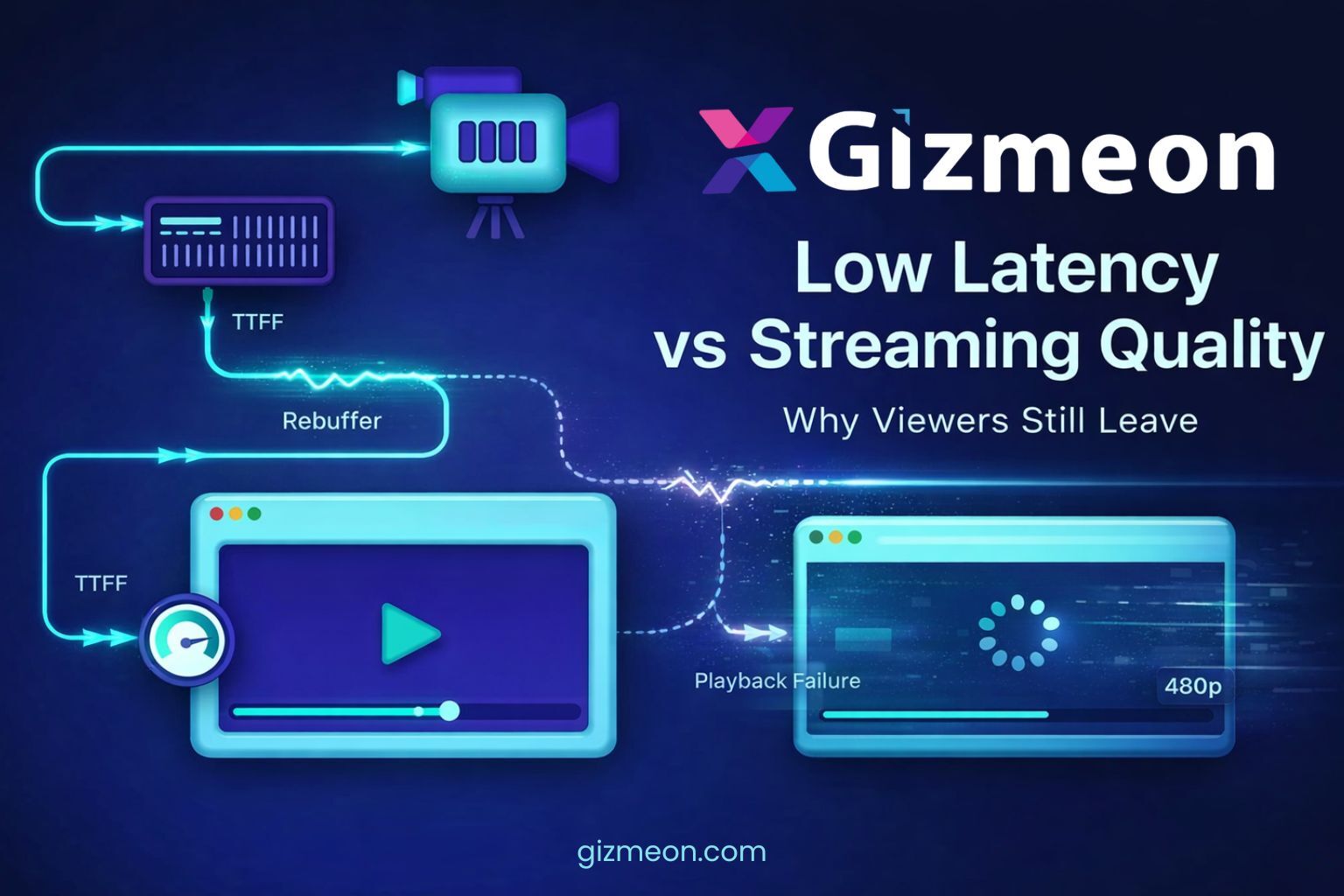
- Adaptive bitrate streaming Technology that ensures smooth playback across varying internet speeds.
- Monetization integration Advertising servers, subscription billing systems, and payment gateways.
- Data analytics and audience insights Real-time tracking of engagement, watch time, and viewer behavior.
- AI-powered personalization Recommendation engines that help viewers discover relevant content.
Content Strategy in the Streaming Era
As broadcasters transition to OTT, content strategy becomes just as important as technology. Streaming platforms reward consistent engagement and long-term audience retention, which requires a different programming approach compared to traditional broadcast schedules. Successful OTT content strategies often include:- Original digital-first programming
- Short-form and mobile-friendly content
- Serialized storytelling formats
- Repurposing archival content libraries
- Exclusive premieres or early streaming releases
- Interactive or community-driven content experiences
Challenges in the Broadcaster-to-Streamer Transition
While the transition to OTT offers immense opportunities, it also presents several challenges. Broadcasters must adapt to an ecosystem that is significantly more complex than traditional distribution. Key challenges include:- Managing technology infrastructure and app development
- Navigating platform fragmentation across devices
- Building effective digital marketing and audience acquisition strategies
- Competing with large global streaming platforms
- Integrating data analytics and personalization tools
- Balancing linear programming with on-demand experiences
Enabling the Broadcaster-to-Streaming Transition
For many broadcasters, the biggest challenge in transitioning to OTT is not the vision it is the technical execution. Building and maintaining a streaming ecosystem requires expertise across application development, content management, monetization infrastructure, and multi-device distribution. This is where modern OTT platform providers play a critical role. Platforms like GIZMOTT by Gizmeon Technologies enable broadcasters and media companies to launch fully branded streaming services without having to build complex infrastructure from scratch. Instead of investing years in development and engineering resources, broadcasters can deploy scalable OTT platforms designed specifically for media distribution. GIZMOTT supports the entire streaming ecosystem, allowing broadcasters to expand their digital presence quickly and efficiently. Key capabilities include:- Multi-platform OTT app deployment Launch fully branded streaming apps across Android TV, Apple TV, Roku, Fire TV, iOS, Android, and web from a single platform.
- Flexible monetization models Support for AVOD, SVOD, TVOD (Pay-per-view), and hybrid revenue models, enabling broadcasters to adapt monetization strategies based on audience behavior.
- FAST channel integration Broadcasters can transform existing content libraries into Free Ad-Supported Streaming TV channels, opening new digital advertising revenue streams.
- AI-powered content discovery Intelligent recommendation systems help viewers discover relevant programming while increasing platform engagement and watch time.
- Advanced analytics and viewer insights Real-time data allows broadcasters to track performance metrics, understand audience preferences, and optimize content strategies.
- Scalable infrastructure for global audiences Cloud-based streaming architecture ensures reliable delivery and platform scalability as audiences grow.
The Future of Broadcast Media
The line between broadcasting and streaming continues to blur. Increasingly, media companies are no longer choosing between traditional television and OTT they are operating hybrid distribution ecosystems that combine both. In the coming years, several trends are likely to shape the next phase of this evolution:- Greater adoption of AI-driven personalization
- Growth of FAST channels and ad-supported streaming
- Expansion of niche and regional streaming platforms
- Increased use of data-driven programming decisions
- More broadcasters launching direct-to-consumer streaming services