Los Angeles
Vancouver
Bangalore
Kochi

The OTT Infrastructure Stack in 2026: How to Build a Scalable Streaming Platform

The OTT Infrastructure Stack in 2026: How to Build a Scalable Streaming Platform
Over the past decade, OTT platforms have transformed the global media landscape. What began as simple video-on-demand services has evolved into complex digital ecosystems capable of delivering content to millions of viewers across multiple devices and geographies. As streaming competition intensifies and audience expectations continue to evolve, the underlying technology powering these platforms has become just as important as the content itself. In 2026, launching a streaming platform is no longer about hosting video files and deploying a mobile app. It requires a sophisticated technology stack capable of supporting global distribution, intelligent content discovery, flexible monetization strategies, and seamless viewing experiences across devices. The modern OTT platform is essentially a technology infrastructure layered around content, combining cloud architecture, analytics, advertising systems, and multi-device deployment into a unified ecosystem. For media companies, broadcasters, and content owners looking to build scalable streaming services, understanding this evolving OTT infrastructure stack has become essential. Platforms like Gizmeon, through its end-to-end OTT ecosystem, provide many of the building blocks required to assemble and operate this modern streaming infrastructure.  

What Is an OTT Infrastructure Stack?

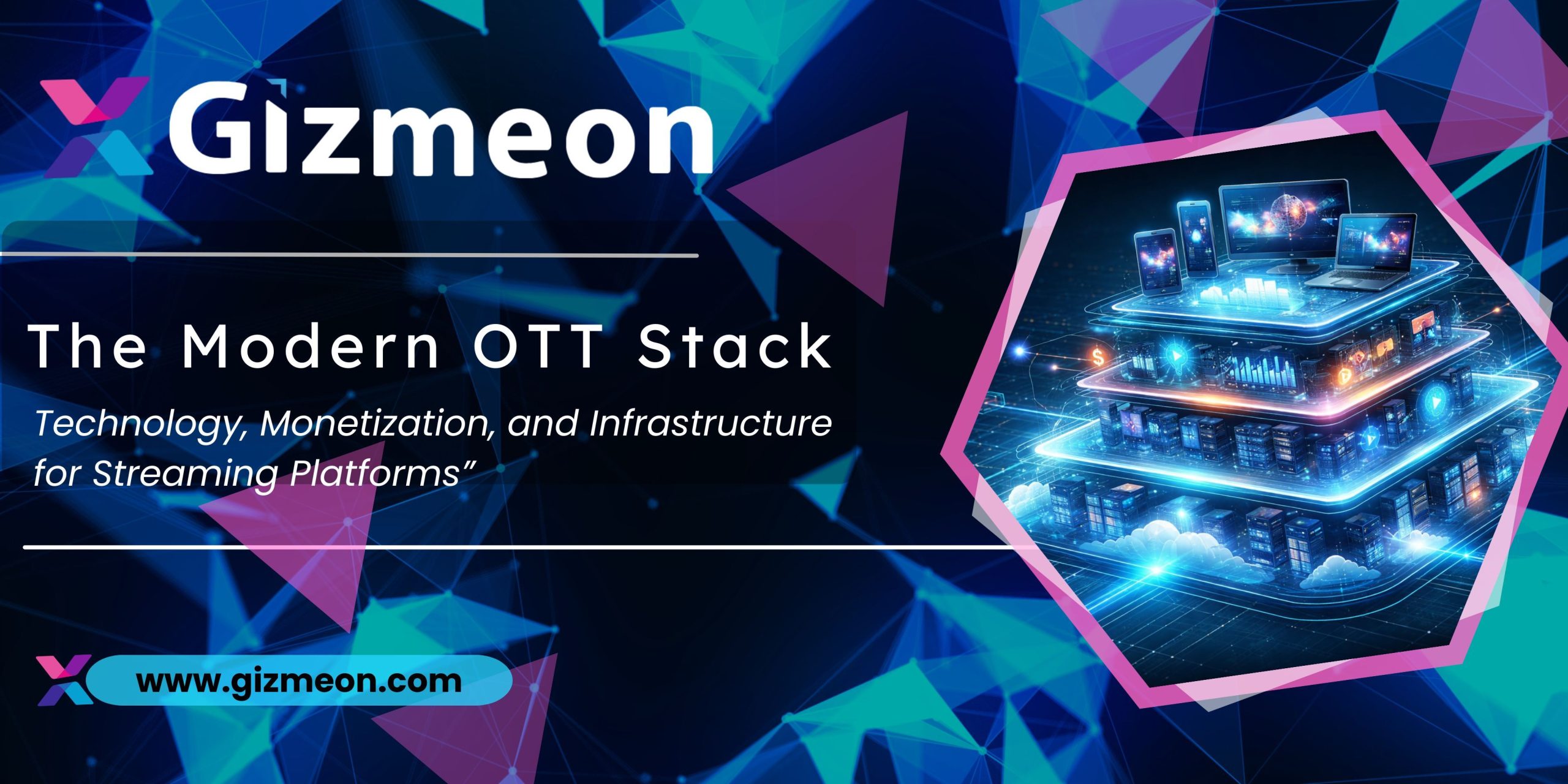
The OTT infrastructure stack refers to the integrated set of technologies that power a modern streaming platform. It forms the technical foundation that enables content to be ingested, managed, distributed, discovered, and monetized across multiple devices and audiences. A typical OTT stack includes cloud hosting for scalability, content delivery networks (CDNs) for global video distribution, analytics and AI systems for audience insights and personalization, advertising and monetization frameworks, and cross-device deployment capabilities that allow content to reach viewers on smart TVs, mobile apps, web platforms, and connected devices. Together, these technologies create a unified ecosystem that allows media companies to launch, scale, and operate streaming platforms efficiently while delivering seamless viewing experiences to audiences worldwide.

Cloud-Native Infrastructure: The Foundation of Modern Streaming

At the core of any scalable OTT platform lies a cloud-native infrastructure. Traditional on-premise systems struggle to accommodate the fluctuating traffic patterns typical of streaming services, where audience spikes can occur suddenly during live events, new releases, or viral content moments. Cloud-native architectures provide the elasticity required to manage these unpredictable demand patterns. By leveraging distributed cloud environments and content delivery networks (CDNs), streaming platforms can deliver high-quality video experiences regardless of audience scale or geographic location. Beyond scalability, cloud infrastructure also enhances reliability and operational efficiency. Automatic failover systems, distributed storage, and advanced security protocols ensure uninterrupted service delivery while protecting content assets through DRM and encryption technologies. Platforms such as Gizmeon’s OTT ecosystem are built on cloud-based architectures designed to handle these requirements. By integrating scalable hosting, CDN distribution, and secure content management frameworks, Gizmeon enables streaming platforms to launch with enterprise-grade infrastructure without the complexity of building it internally. This cloud-first approach has become the backbone of modern streaming services, allowing platforms to focus on audience growth and content strategy rather than infrastructure management.  

Cross-Device Deployment: Reaching Audiences Everywhere

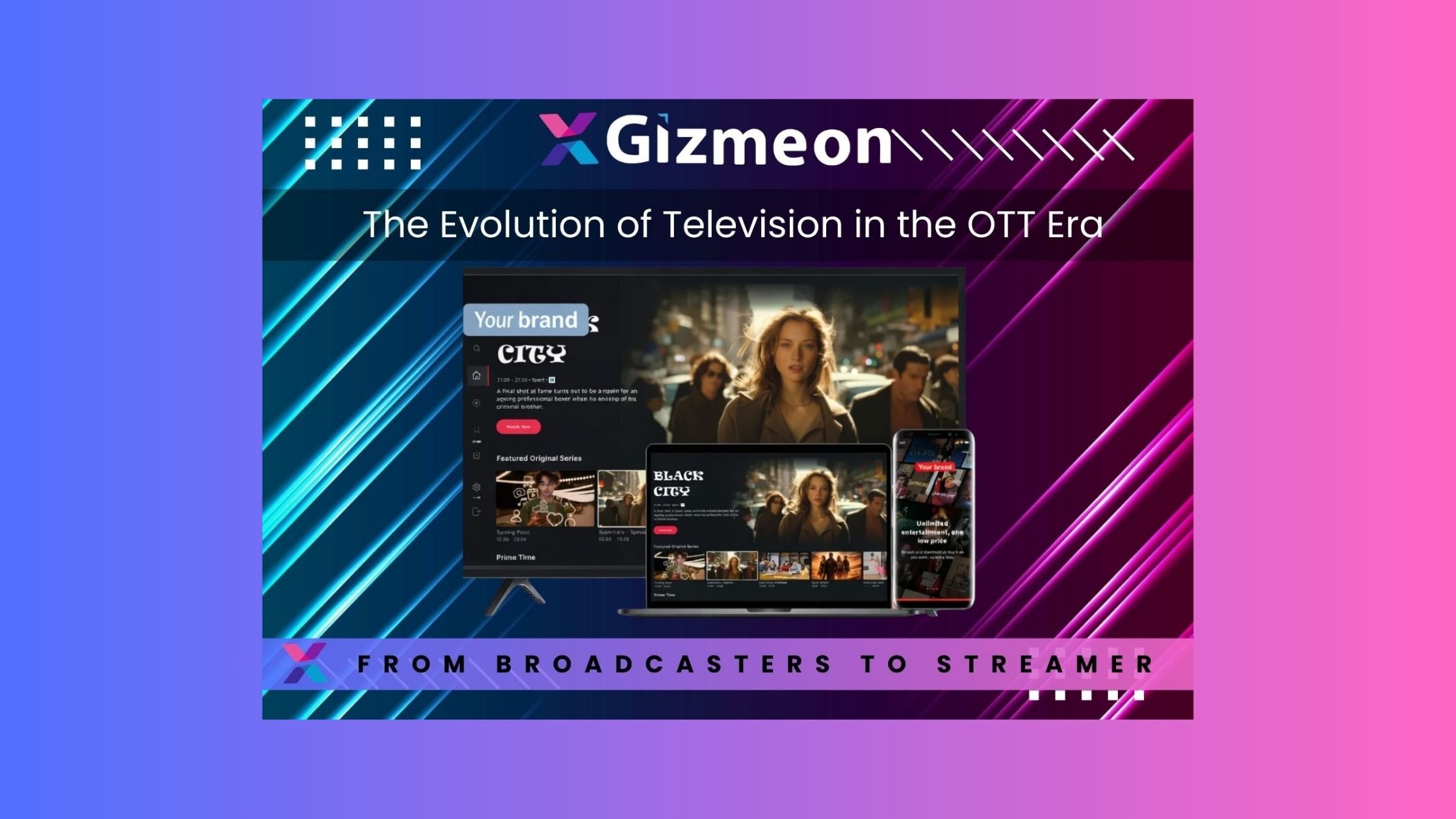
The modern viewer no longer consumes content from a single device. Streaming audiences shift seamlessly between smartphones, tablets, smart TVs, web browsers, and connected streaming devices such as Roku or Fire TV. As a result, cross-device compatibility has become a fundamental requirement for OTT platforms. A streaming service that is limited to one or two platforms risks losing significant portions of its potential audience. The technical challenge lies in maintaining consistent user experiences across these diverse environments while managing the complexities of device-specific development, operating system updates, and app distribution channels. To address this, OTT infrastructure must support multi-device deployment frameworks capable of delivering fully branded streaming applications across:
  • Smart TVs and connected TV platforms
  • Mobile devices (iOS and Android)
  • Web platforms
  • Streaming devices such as Roku, Fire TV, and Apple TV 
Solutions like Gizmeon’s GIZMOTT OTT platform provide this capability as part of their core infrastructure. By enabling media companies to launch streaming applications across multiple devices simultaneously, Gizmeon simplifies what would otherwise be a highly complex development process. This cross-device approach ensures that audiences can access content wherever they prefer to watch it, creating a consistent and accessible viewing experience.  

AI and Data Analytics: The Intelligence Layer of OTT Platforms

As streaming platforms grow in scale, the volume of user data generated through viewer interactions becomes a valuable resource. Every click, pause, search query, and viewing session contributes to a deeper understanding of audience behavior. Artificial intelligence and advanced analytics systems are now essential components of OTT infrastructure. These technologies transform raw user data into actionable insights that can improve content discovery, optimize engagement, and guide programming strategies. AI-driven analytics can support several critical functions within a streaming ecosystem:
  • Personalized content recommendations based on viewing history 
  • Predictive analytics for audience engagement and churn reduction 
  • Performance insights for individual titles or content categories 
  • Audience segmentation for targeted marketing campaigns 
By integrating analytics frameworks into the OTT stack, streaming platforms can continuously refine the user experience while making more informed content and monetization decisions. Platforms like Gizmeon incorporate analytics and audience insights tools within their ecosystem, enabling platform operators to monitor viewer engagement, subscription growth, and revenue performance in real time. This intelligence layer allows streaming services to evolve dynamically based on how audiences interact with content.  

Monetization Infrastructure: The Business Engine of Streaming

While content remains the core attraction of any streaming platform, sustainable growth ultimately depends on monetization strategy. Early OTT services often relied heavily on a single revenue model, typically subscription video on demand (SVOD). However, the streaming landscape has matured significantly, and many successful platforms now adopt hybrid monetization models that combine multiple revenue streams. Today’s OTT infrastructure must be capable of supporting:
  • Subscription Video on Demand (SVOD) 
  • Advertising Video on Demand (AVOD) 
  • Transactional Video on Demand (TVOD) for pay-per-view events 
  • FAST channels (Free Ad-Supported Streaming TV) 
  • Sponsorship integrations and branded content partnerships 
Each of these models requires specific technical capabilities including subscription management systems, secure payment gateways, ad insertion technology, and analytics tools for tracking revenue performance. OTT platforms like Gizmeon’s GIZMOTT ecosystem provide integrated monetization frameworks that allow content owners to combine these revenue models within a single platform. This flexibility enables media companies to adapt their monetization strategies as audience behavior and market dynamics evolve. In a competitive streaming market, the ability to experiment with monetization models can become a significant strategic advantage.  

The Rise of FAST Channels and AdTech

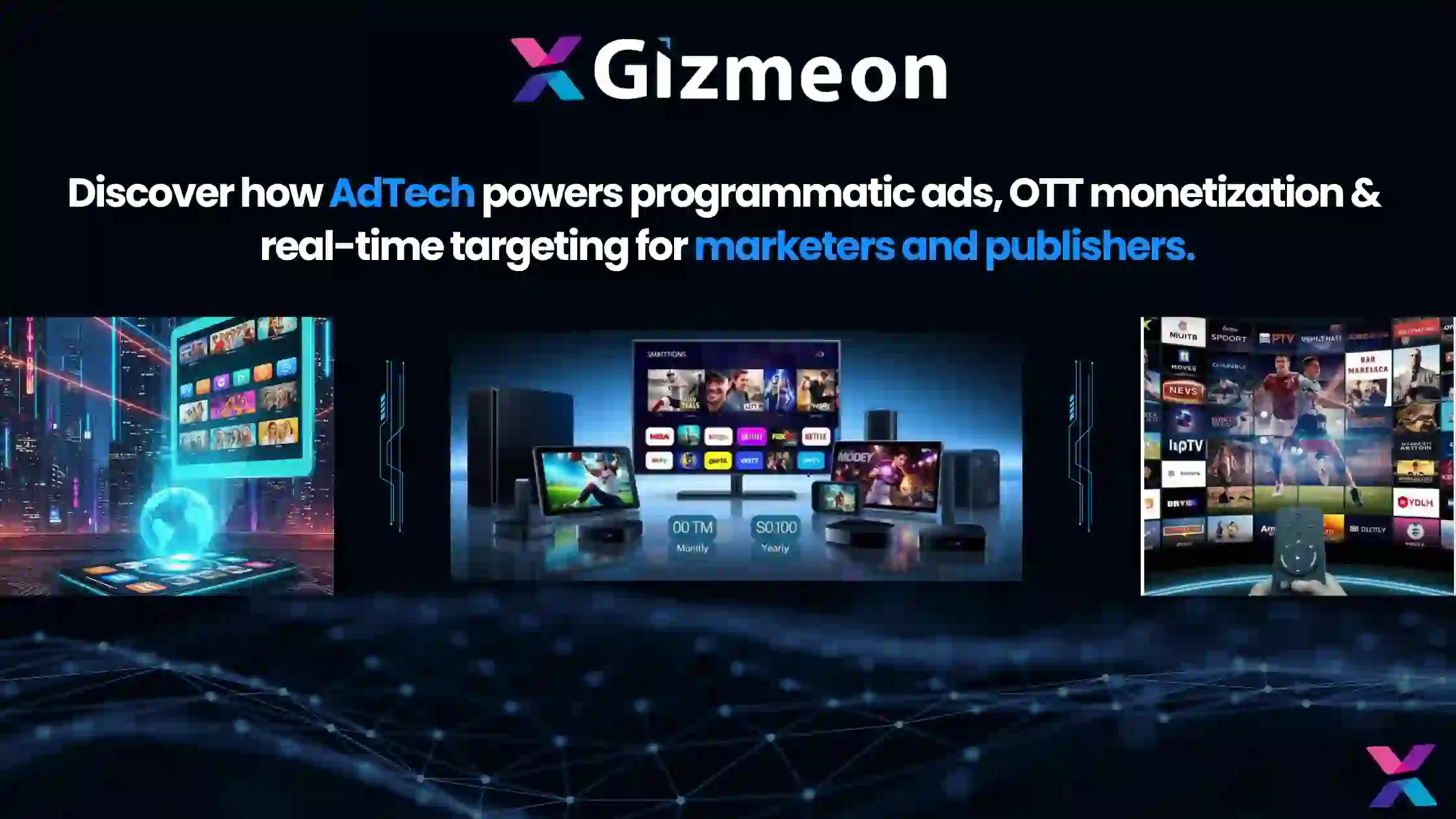
One of the fastest-growing segments within the OTT ecosystem is the emergence of FAST channels—free ad-supported linear channels delivered through streaming platforms. FAST channels combine the familiarity of traditional television programming with the flexibility of digital distribution. They offer curated, scheduled content streams that require minimal viewer decision-making while generating revenue through advertising. For content owners with large media libraries, FAST channels provide an efficient way to repurpose existing content while creating new revenue streams. Supporting FAST channels requires advanced advertising technology including:
  • Server-side ad insertion (SSAI) 
  • Programmatic advertising integrations 
  • Real-time ad targeting and analytics 
These capabilities must be integrated seamlessly within the OTT platform to ensure that ad delivery does not disrupt the viewer experience. Gizmeon’s infrastructure supports FAST channel deployment and ad monetization frameworks, enabling content owners to launch curated streaming channels while maximizing advertising revenue opportunities. As advertising-supported streaming continues to grow globally, FAST channels are expected to play an increasingly important role in OTT monetization strategies.  

A Modular OTT Infrastructure for a Rapidly Changing Industry

One of the defining characteristics of the modern streaming industry is its pace of innovation. New content formats, monetization strategies, and viewer behaviors emerge constantly. OTT platforms must therefore be built with modular architectures capable of adapting to these changes without requiring complete infrastructure rebuilds. Future streaming ecosystems may incorporate features such as:
  • Vertical video and short-form content layers 
  • creator-driven programming 
  • interactive streaming experiences 
  • AI-assisted content production workflows 
  • live commerce integrations 
To support these evolving capabilities, OTT infrastructure must remain flexible and extensible. Platforms like Gizmeon are designed with this modular philosophy, enabling media companies to introduce new formats, distribution channels, and monetization strategies within a unified platform framework. This adaptability allows streaming platforms to evolve alongside industry trends rather than falling behind them.  

Gizmeon: Bridging OTT Infrastructure and AdTech Innovation

As OTT platforms grow more sophisticated, the distinction between streaming infrastructure and advertising technology is increasingly disappearing. Successful streaming ecosystems must now integrate both seamlessly. This is where companies like Gizmeon operate at the intersection of OTT technology and AdTech innovation. Through its OTT platform GIZMOTT, Gizmeon provides content owners with the tools required to launch fully branded streaming platforms across smart TVs, mobile devices, web platforms, and connected TV environments. Beyond distribution, the platform integrates monetization frameworks that support subscription models, advertising monetization, FAST channels, and transactional viewing experiences. At the same time, Gizmeon’s expertise in AdTech infrastructure allows streaming platforms to incorporate advanced advertising capabilities such as ad insertions, targeted advertising delivery, and programmatic monetization strategies. This combination enables media companies to maximize the value of their content while maintaining full control over their distribution ecosystem. By bridging OTT infrastructure with advertising technology, Gizmeon enables streaming platforms to build sustainable business models where content delivery, audience engagement, and monetization operate within a unified technology stack.

The OTT Platform of the Future

As the streaming industry enters its next phase of growth, the technological foundation behind OTT platforms will play an increasingly decisive role in determining their success. Scalable cloud infrastructure, multi-device accessibility, intelligent analytics, and flexible monetization systems have become essential components of modern streaming platforms. The OTT stack of 2026 is no longer a collection of isolated tools—it is a fully integrated ecosystem designed to support content, audiences, and revenue models simultaneously. Technology providers like Gizmeon help enable this ecosystem by offering the building blocks required to launch and operate scalable streaming platforms. By combining cloud-based infrastructure, cross-device deployment capabilities, analytics frameworks, advertising technology, and monetization tools, such platforms empower media companies to focus on what matters most: creating compelling content and engaging audiences. In a media environment defined by constant technological evolution, the platforms that succeed will be those built on infrastructure capable of evolving alongside it. The future of streaming will not be defined solely by the content we watch, but by the technology that makes it possible.
Related Posts
Leave a Reply

Your email address will not be published.Required fields are marked *