
Why the technology underneath a streaming business is becoming as important as the content on the screen
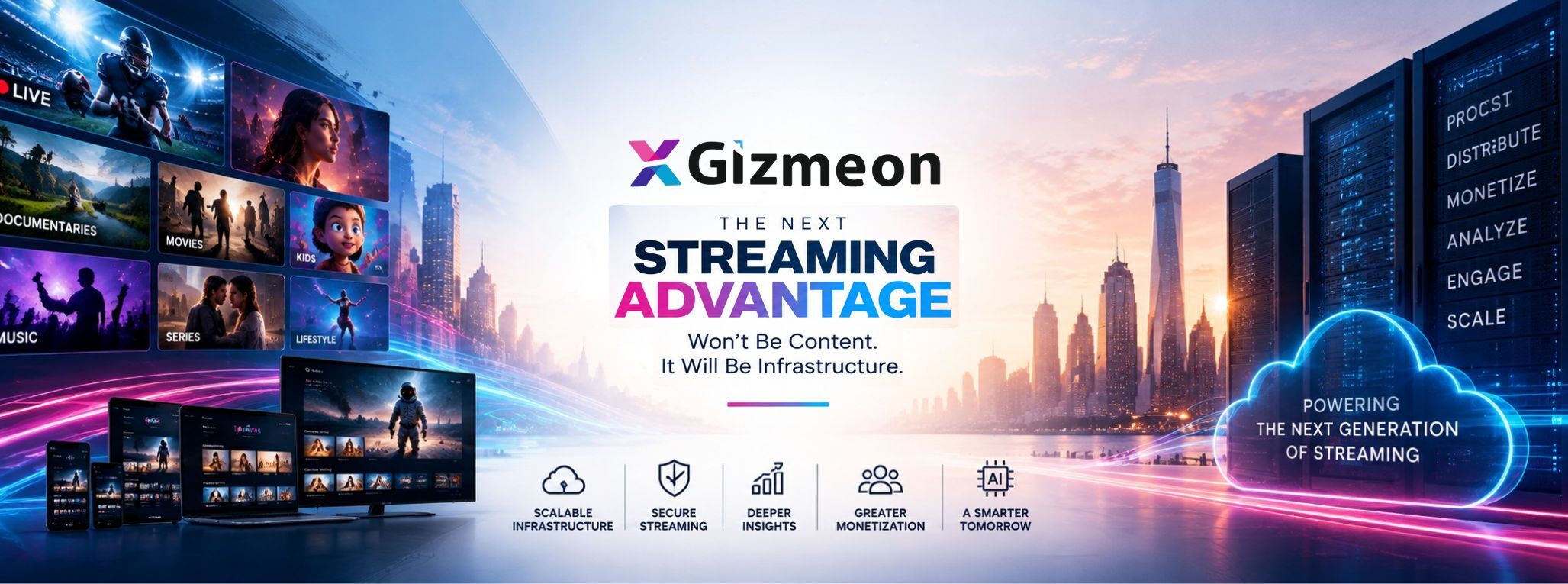
For years, the streaming conversation has revolved around content. Which shows should a platform commission? Which sports rights should it acquire? How large does a content library need to be? How can a service attract enough subscribers to justify the investment? Those questions still matter. But the streaming market has reached a point where content alone is no longer enough to define a sustainable business. The U.S. video streaming market generated $113.3 billion in revenue in 2025, according to PwC, and is projected to reach $157.5 billion by 2030. At the same time, the economics of streaming are becoming more complex, with advertising, personalization, first-party data, live programming, FAST and multiple monetization models becoming increasingly important. That changes the technology question. The strategic issue for a media company is no longer simply whether it can launch an OTT platform. It is whether the technology underneath that platform can support the business it wants to become. The next streaming advantage may not come from having more content. It may come from having the infrastructure to do more with the content, audience and data a company already owns.Content Gets the Attention – Infrastructure Runs the Business.
A viewer sees a streaming app. They see a homepage, a video player, recommendations, search results and perhaps an advertisement before a program starts. Behind that relatively simple experience, however, is an increasingly sophisticated technology environment. Content has to be ingested, processed, organized and delivered across different devices. Metadata needs to make that content searchable and discoverable. Video has to adapt to different network conditions. User identity and payments need to work securely. Advertising needs to be delivered and measured. Viewer behavior needs to be captured and interpreted. Recommendations need to become more relevant. Live content needs to be distributed reliably at scale. None of these functions exists in isolation. They form the operating infrastructure of a streaming business. This distinction matters because streaming is moving from a distribution model toward a broader digital media business. Advertising alone demonstrates the shift. IAB projects U.S. digital video advertising will surpass $80 billion in 2026, with CTV advertising expected to grow 11% year over year. The organization also reports that agentic AI is moving rapidly from experimentation toward operational use in digital video advertising. The implication for media executives is straightforward: as streaming becomes a larger and more measurable commercial environment, the technology supporting it becomes part of the business strategy rather than simply an IT decision.The Streaming Platform Is Becoming the Business
There was a time when launching an OTT service could be viewed primarily as a digital extension of an existing media operation. Today, that approach is increasingly limiting. A broadcaster may want to distribute its existing programming through a branded streaming service. A sports organization may want to combine live events with highlights and on-demand content. A creator may want to build a subscription business around a dedicated audience. A production company may want to turn its intellectual property into a direct-to-consumer platform. Each business may start with a different objective, but they share the same requirement: the technology needs to evolve with the commercial model. That means the question should move from “Can we launch an OTT app?” to “Can our OTT platform support the streaming business we want to build?” The distinction is significant. An application is a consumer-facing product. A platform is the operating environment behind that product. The strongest streaming strategies increasingly require both.The Real Opportunity Is Doing More With the Same Content
One of the biggest changes in streaming is that a piece of content no longer has to have a single commercial life. A live sports event can become a live stream, a replay, short-form clips, social content and an on-demand asset. A documentary can sit inside a subscription library, become part of a themed FAST channel and generate promotional clips. A television series can be distributed through an owned OTT service while selected content remains available on YouTube and other social platforms for discovery. The value of the library therefore depends partly on what the technology can do with it. This creates a different strategic question for content owners: How many experiences and revenue opportunities can be created from the same underlying content? The answer increasingly depends on infrastructure. A platform that supports only one distribution format or one monetization model limits the commercial possibilities around the content. A platform capable of supporting VOD, live streaming, FAST, advertising, subscriptions, transactional purchases and multiple applications gives the business more room to experiment. This is particularly relevant as streaming monetization continues to diversify. Deloitte’s 2026 Digital Media Trends found that 68% of surveyed streaming subscribers pay for at least one ad-supported service, while consumers remain sensitive to price increases. The streaming business is therefore becoming less about choosing one permanent revenue model and more about building the flexibility to serve different audiences and viewing occasions.Monetization Should Not Be Limited by Technology
A streaming company may want to offer a premium subscription tier while keeping selected programming free with advertising. It may want to monetize a live event through pay-per-view. It may want to launch a FAST channel to reach audiences that are unwilling to subscribe. It may want to combine these approaches. The technology should enable those decisions rather than force the business into a predetermined model. This is becoming increasingly important as advertising moves deeper into streaming. PwC projects global OTT advertising revenue to grow at a 9.4% CAGR through 2030, increasing its share of OTT revenue from 19.4% to 22.6%. That growth makes capabilities such as advertising infrastructure, audience segmentation, measurement and first-party data strategically important. The platform is no longer just delivering the content. It is increasingly responsible for creating the environment in which the content generates revenue.First-Party Data Is Becoming Part of the Asset
For many media businesses, the most valuable information generated by an owned streaming platform may not be the number of registered users. It is what those users do. What do they watch? When do they leave? Which genres bring them back? Which content drives subscriptions? Which live events produce the highest engagement? Which devices do they use? Which recommendations result in another viewing session? These signals can influence programming, marketing, product development and monetization. An owned streaming platform therefore creates something that a simple distribution presence cannot provide to the same extent: a direct environment for understanding audience behavior. But data has limited value if it remains isolated. The real opportunity comes when analytics can inform recommendations, marketing, content decisions and monetization. That requires infrastructure designed to connect those functions.AI Is Moving From Feature to Operating Layer
This is where the next major change is taking place. AI in streaming is often discussed in terms of recommendations: show the viewer something they are likely to watch next. That is only one application. The larger opportunity is to apply AI across the operational layers of a streaming business. Metadata can be generated and enriched automatically. Content can be classified and made easier to discover. Recommendations can become more personalized. Marketing workflows can be automated. SEO content can be generated and optimized. Promotional assets can be created more efficiently. Programming and playout workflows can become more intelligent. The industry is already moving in this direction beyond streaming itself. IAB’s 2026 research found that five of the six top marketer focus areas were AI-related, while two-thirds of buyers were already live, testing or planning to use agentic AI for digital video campaigns. The strategic question for streaming executives is therefore changing. It is no longer simply: “Where can we add AI?” It becomes: “Which parts of the streaming operation should become intelligent?” That is a much more consequential question.The Technology Has to Work Across Every Screen
Infrastructure also becomes more important as the viewing environment becomes more fragmented. A modern OTT service may need to operate across web, iOS, Android, connected TVs and other streaming devices, while maintaining a consistent brand and user experience. The technical challenge is not simply creating multiple applications. It is maintaining the underlying content, identity, monetization, analytics and viewing experience across those environments. This is particularly important as connected TV becomes an increasingly important part of digital video consumption and advertising. The result is a paradox: viewers expect streaming to feel simple, while the technology required to make it simple becomes more sophisticated. The best infrastructure is often the infrastructure the viewer never notices.What We Believe the Streaming Platform Should Become
At Gizmeon, we believe the next generation of streaming platforms will be defined less by the number of individual features they offer and more by how well those capabilities work together. A content owner should not have to think of content management, live streaming, monetization, analytics, multi-platform distribution and AI as completely separate technology projects. They should function as interconnected parts of the same streaming environment. This thinking is behind GIZMOTT, Gizmeon’s OTT platform for media businesses, content owners, creators and broadcasters. GIZMOTT brings together VOD, live streaming, FAST, branded applications, monetization and analytics across web, mobile and connected TV. Its Agentic AI capabilities extend this platform into areas including metadata enrichment, recommendations, marketing, SEO, playout and content operations. The objective is not simply to help a company launch another OTT application. It is to provide the technology infrastructure required to build, operate and evolve a streaming business around its content and audience. That distinction is increasingly important. Because the market is changing faster than any individual feature roadmap.The Advantage Will Belong to Platforms That Can Adapt
The streaming industry is entering a phase in which flexibility may become more valuable than scale alone. A platform needs to support new devices without forcing a complete rebuild. It needs to accommodate new monetization models without restructuring the entire business. It needs to use audience data without creating disconnected analytics silos. It needs to introduce AI without treating intelligence as another isolated feature. Most importantly, it needs to allow the business to respond when the market changes.- That could mean launching a FAST channel.
- It could mean adding live sports.
- It could mean introducing a vertical video experience.
- It could mean experimenting with advertising.
- It could mean expanding into a new geographic market.
- Or it could mean turning an existing content library into an entirely new streaming product.